That’s where PrimeMove Logistics comes in. With deep knowledge of customs regulations in Cameroon and the CEMAC region, we provide reliable customs clearance in Cameroon and transit services for importers, exporters, and freight forwarders. Whether your goods are arriving by sea, air, or road, we handle the paperwork, inspections, and legal processes — so you can focus on your business while we clear the way.
Customs clearance Cameroon is the process of getting goods approved by a country’s customs authority so they can legally enter (imports) or leave (exports) that country.
In simple terms, it’s the checkpoint where your shipment is inspected and verified before it can move forward.
What happens during customs clearance?
- Documentation check: Authorities review paperwork like invoices, shipping documents, and permits.
- Duties and taxes: Any required import/export taxes or tariffs are calculated and paid.
- Inspection (if needed): Goods may be physically checked to ensure they match the documents and comply with regulations.
- Approval or release: Once everything is in order, the shipment is cleared to proceed.
Why it matters
Customs clearance ensures that:
- Goods follow national laws and regulations
- Proper taxes are collected
- Restricted or illegal items are controlled
Example
If you order something from another country, it doesn’t come straight to your door it first goes through customs clearance in your country. Only after approval will it be delivered to you.
If you want, I can walk you through the exact steps for imports or exports in your country
.
Customs clearance delays in Cameroon are common, especially for air and sea freight. The causes are usually a mix of administrative, regulatory, and operational issues rather than just “slow processing.”
Here’s what typically causes the delays:
1. Incomplete or Incorrect Documentation
- Missing commercial invoice, packing list, bill of lading, or HS code
- Wrong product description or under-declared value
- Inconsistencies between documents
Even small mistakes can hold cargo for days or weeks.
2. Customs Valuation Disputes
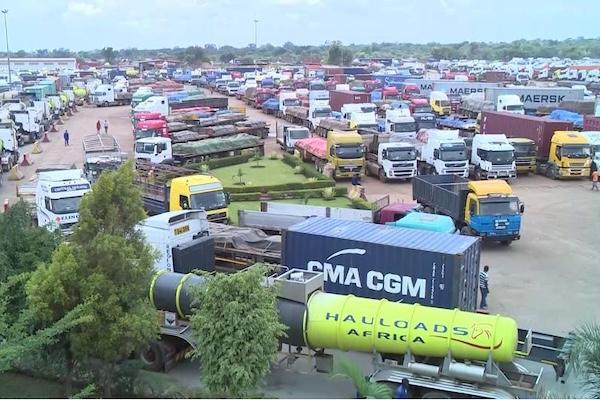
- Customs may reject declared values and reassess
- This leads to:
- Extra taxes
- Negotiations or reassessment delays
Very common in Cameroon, especially for electronics, vehicles, and machinery.
3. High Physical Inspection Rate

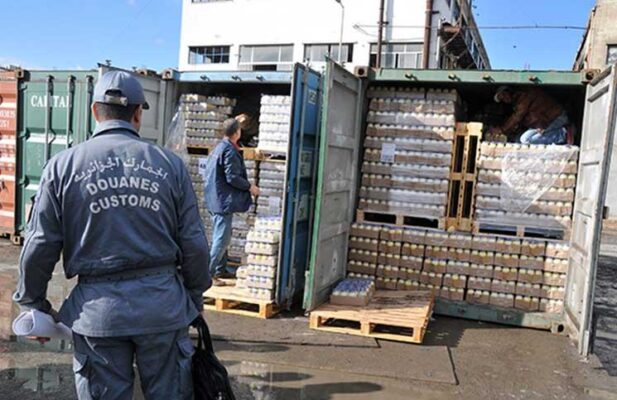
- Many shipments are physically inspected, not just scanned
- Limited inspection capacity causes queues
If your container is selected, expect delays.
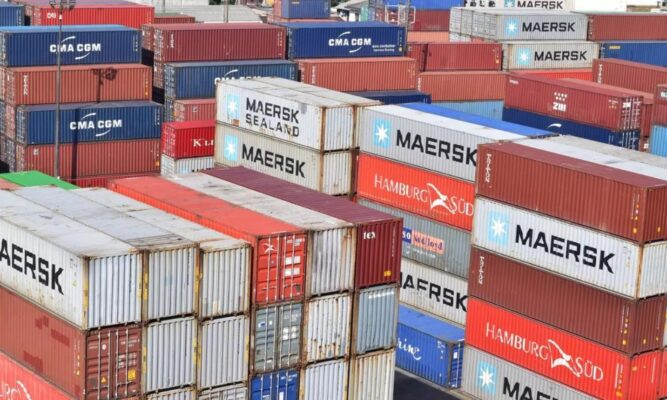
4. Port Congestion (Especially Douala)

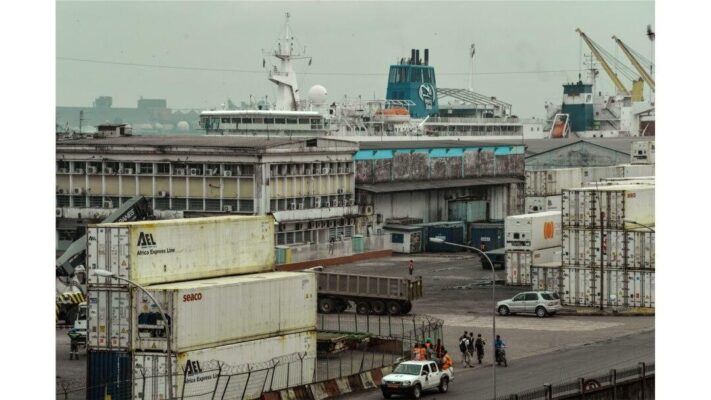
- The Port of Douala handles most imports
- Congestion leads to:
- Long waiting times for unloading
- Delays in container movement
5. Multiple Government Agencies
Clearance may require approvals from:
- Customs
- Standards/quality control (ANOR)
- Health or phytosanitary services
- Ministry of Trade
More approvals = more waiting time.
6. Payment & System Delays
- Delays in:
- Duty payment confirmation
- System updates (ASYCUDA or local platforms)
Sometimes goods are ready but not released due to payment validation issues.
7. Informal Practices & Bureaucracy
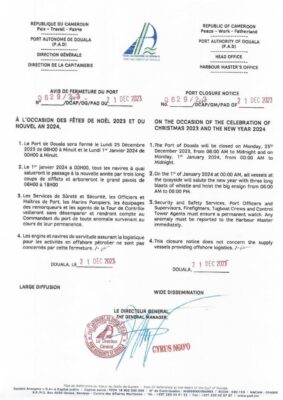
- Lengthy procedures
- File movement between offices
- Occasional “unofficial” bottlenecks
This can significantly slow down the process if not handled properly.
8. Poor Logistics Coordination

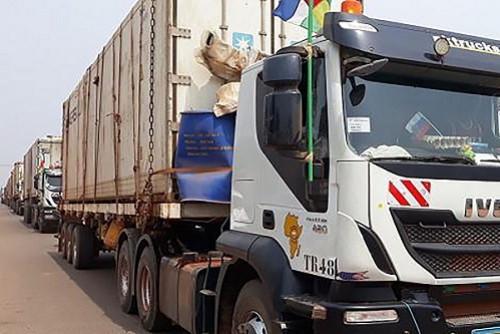
- Delays in:
- Truck availability
- Container pickup scheduling
- Warehouse handling
How to Reduce Delays (Practical Tips)
- Prepare 100% accurate documents before shipment
- Use the correct HS code and realistic values
- Work with an experienced clearing agent
- Pre-alert and submit documents before cargo arrival
- Budget for duties early to avoid payment delays
1. Pre-Arrival Preparation
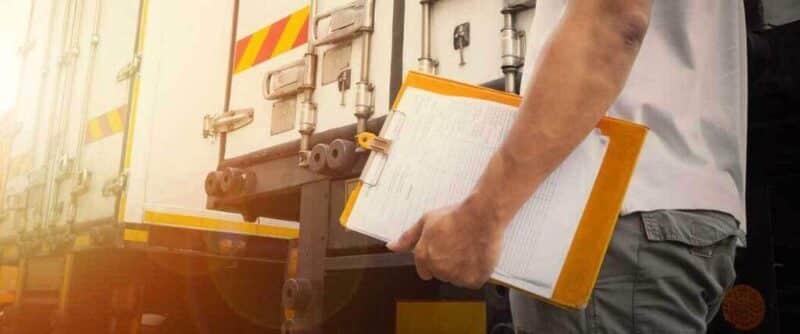
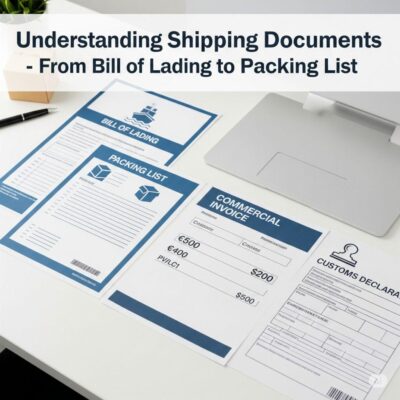
Before the cargo arrives:
- Gather all documents:
- Commercial Invoice
- Packing List
- Bill of Lading / Air Waybill
- Import License (if required)
- Insurance Certificate
- Assign a licensed clearing agent
Pro tip: Submit documents early to avoid delays.
2. Cargo Arrival & Manifest Registration
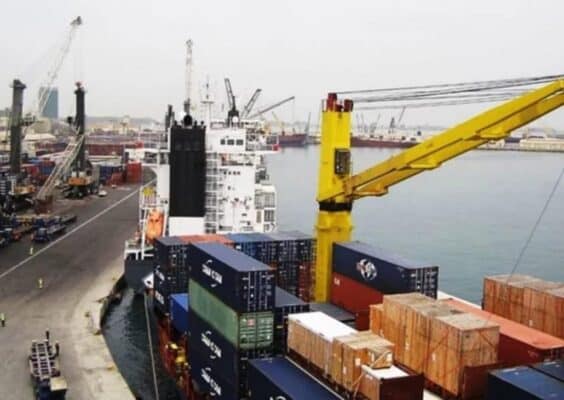
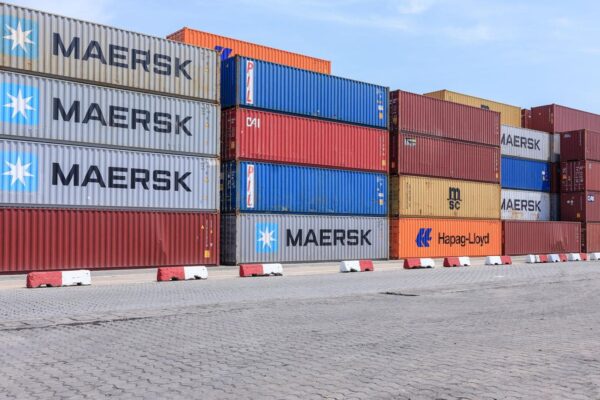
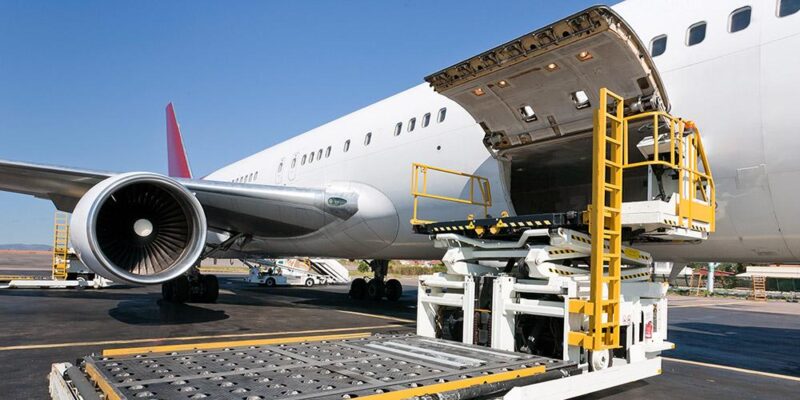
- Cargo arrives at:
- Port of Douala (sea freight)
- Airport cargo terminal (air freight)
- Shipping line/airline submits cargo manifest to customs
This officially registers your shipment in the system.
3. Obtain Delivery Order (DO)
- Clearing agent goes to the shipping line
- Pays local charges (handling, documentation)
- Receives Delivery Order (DO)
This allows you to claim the cargo.
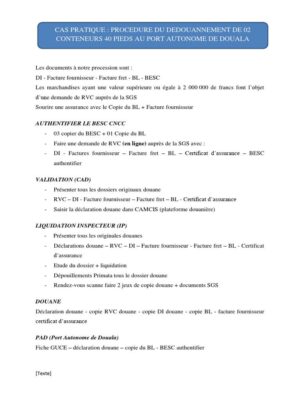
4. Customs Declaration (ASYCUDA)
- Declaration is entered into the ASYCUDA system
- Includes:
- HS Code
- Value of goods
- Duties & taxes calculation
Accuracy here is critical to avoid penalties or delays.
5. Risk Channel Assignment
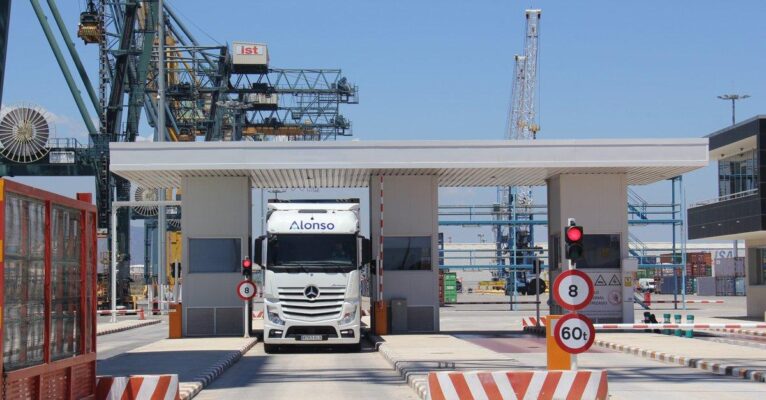
Customs assigns your shipment to a channel:
- 🟢 Green: No inspection (fast release)
- 🟡 Yellow: Document check
- 🔴 Red: Physical inspection
Most delays happen in the red channel.
6. Inspection (If Required)
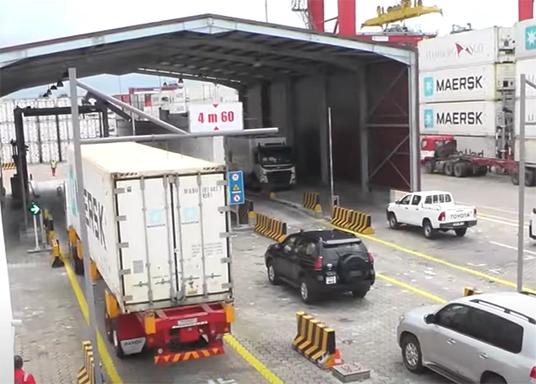
- Customs may:
- Open container
- Verify quantity, value, classification
- Other agencies may inspect:
- Standards (quality)
- Health/phytosanitary
7. Duties & Taxes Payment
- Pay:
- Import duty
- VAT
- Other applicable taxes
- Payment is validated in the system
No payment = no release.
8. Customs Release (Mainlevée)
- Customs issues release authorization (called mainlevée)
This means goods are officially cleared.
9. Port Handling & Exit Process
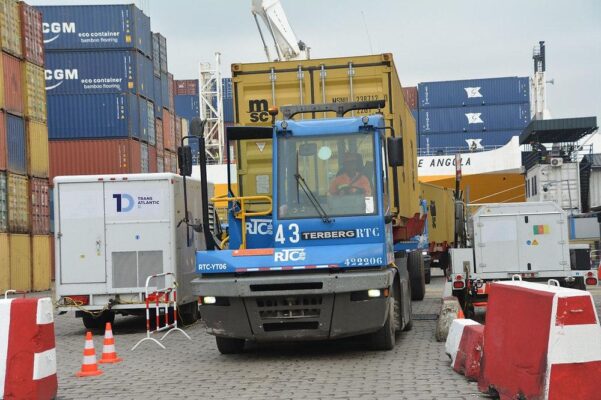
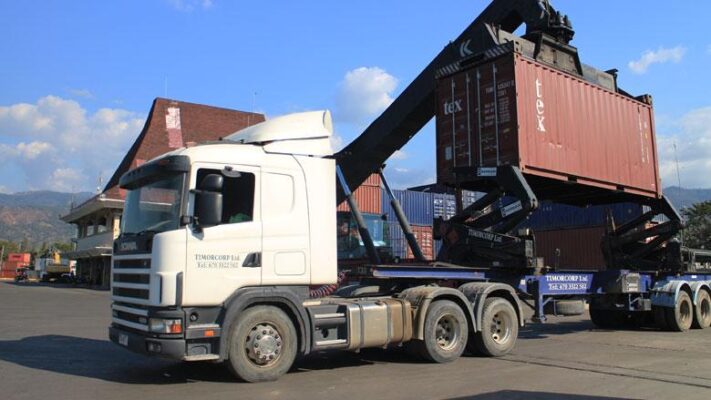
- Pay port/storage charges
- Arrange truck for pickup
- Container exits port/airport
10. Delivery to Final Destination
Goods are delivered to:
- Warehouse
- Client location
1. Commercial Invoice
- Issued by the supplier
- Shows:
- Buyer & seller details
- Description of goods
- Quantity & unit price
- Total value
This is the most important document for valuation.
2. Packing List
- Details how goods are packed
- Includes:
- Number of packages
- Weight (gross & net)
- Dimensions
Helps during inspection and verification.
3. Bill of Lading (Sea) / Air Waybill (Air)
- Transport document issued by carrier
- Proof of shipment and ownership
Required to collect cargo from port or airline.
4. Delivery Order (DO)
- Issued by the shipping line or airline
- Obtained after paying local charges
Allows you to take possession of the cargo.
5. Import Declaration (Customs Entry)
- Submitted through ASYCUDA
- Contains:
- HS Code
- Customs value
- Duties & taxes
6. Import License (if applicable)
- Required for restricted goods such as:
- Pharmaceuticals
- Chemicals
- Food products
Issued by relevant ministries.
7. Certificate of Origin
- Shows country where goods were produced
- May help reduce duties under trade agreements
8. Insurance Certificate
- Proof goods are insured during transport
9. Taxpayer Identification (NIU)
- Issued by Cameroon tax authorities
- Required for importers to clear goods
10. Inspection / Conformity Certificate (if required)
- For regulated products
- May involve standards verification (quality, safety)
Additional Documents (Depending on Cargo)
- Phytosanitary certificate (plants/agriculture)
- Health certificate (food, medical items)
- Technical authorization (electronics, telecom equipment)
Pro Tips (Very Important in Cameroon)
- Ensure all documents match exactly (value, weight, description)
- Use the correct HS code
- Avoid under-declaring value (causes delays)
- Submit documents before cargo arrival
PrimeMove Logistics doesn’t stop at customs—we combine clearance with:
-
Port-to-door delivery
-
Road freight to Central African countries
-
Container drayage from Douala and Kribi ports
-
Warehousing and distribution services
This end-to-end service means you avoid the hassle of dealing with multiple vendors. We handle everything from the dock to the final destination.
-
We work with:
-
Importers & exporters
-
International freight forwarders
-
NGOs & aid organizations
-
Manufacturers & traders
-
Government contractors & infrastructure projects
Whether you’re shipping containers, machinery, consumer goods, or aid cargo, we tailor customs and transit support to your needs.
-
-
-
✅ Registered with Cameroon Customs & CEMAC Transit Network
-
✅ Experience with CAMCIS customs system
-
✅ Multilingual support in French & English
-
✅ Transparency in duties, taxes & fees
-
✅ Fast turnaround time at ports and borders
With PrimeMove, you’re working with professionals who understand both the logistics and legal frameworks of cargo clearance in the region.
-